
Crabgrass Control in Ontario: How to Prevent It This Spring Before It's Too Late
If you’ve ever watched your lawn go from lush and green to patchy and weed-choked by midsummer, crabgrass is likely the culprit. It’s one of the most common — and most frustrating — lawn problems facing Ontario homeowners. The good news? Crabgrass is almost entirely preventable. The catch: you have a very short window every spring to stop it.
Here’s what you need to know about crabgrass control in Ontario, and exactly when to act.
What Is Crabgrass — and Why Is It Such a Problem?
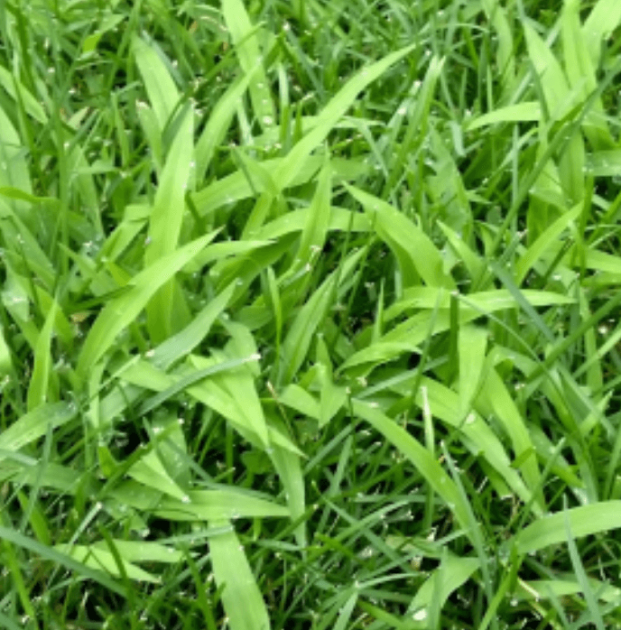
Crabgrass is an annual grassy weed that germinates each spring, spreads aggressively through summer, and dies at the first frost. But before it dies, a single plant can drop anywhere from 150 to 150,000 seeds, which can lie dormant in your soil for up to 15 years.
According to the Ontario Ministry of Agriculture, Food and Rural Affairs (OMAFRA), there are two varieties commonly found in Ontario lawns: Large crabgrass (Digitaria sanguinalis) and Smooth crabgrass (Digitaria ischaemum). Both spread in a low, sprawling, star-shaped pattern — filling in bare patches and thin turf wherever they can find exposed soil and direct sunlight.
Once established, crabgrass is extremely difficult to remove. That’s why prevention is everything.
When Does Crabgrass Germinate in Ontario?
Crabgrass seeds don’t respond to the calendar — they respond to soil temperature. Germination begins when soil temperatures at a 2-inch depth consistently reach 12–13°C (55°F), and approximately 80% of seeds germinate when soil temperatures climb to 15–21°C (60–70°F).
According to turfgrass researchers at Michigan State University Extension, pre-emergent herbicides must be applied before soils reach this germination range to be effective. Apply too late, and the chemical barrier is useless against seeds already sprouting underground.
In the GTA, Mississauga, Hamilton, and Southern Ontario, that critical soil temperature window typically arrives in late April to early May. Once it arrives, the window to act closes fast — often within 2 to 3 weeks.
💡 Quick tip: When forsythia bushes bloom with their bright yellow flowers, that’s your visual cue that pre-emergent timing is approaching. MSU research has found forsythia bloom often aligns closely with optimal pre-emergent application windows.
How to Prevent Crabgrass in Ontario: Your Spring Action Plan
Step 1: Apply a Pre-Emergent Treatment (Late April)
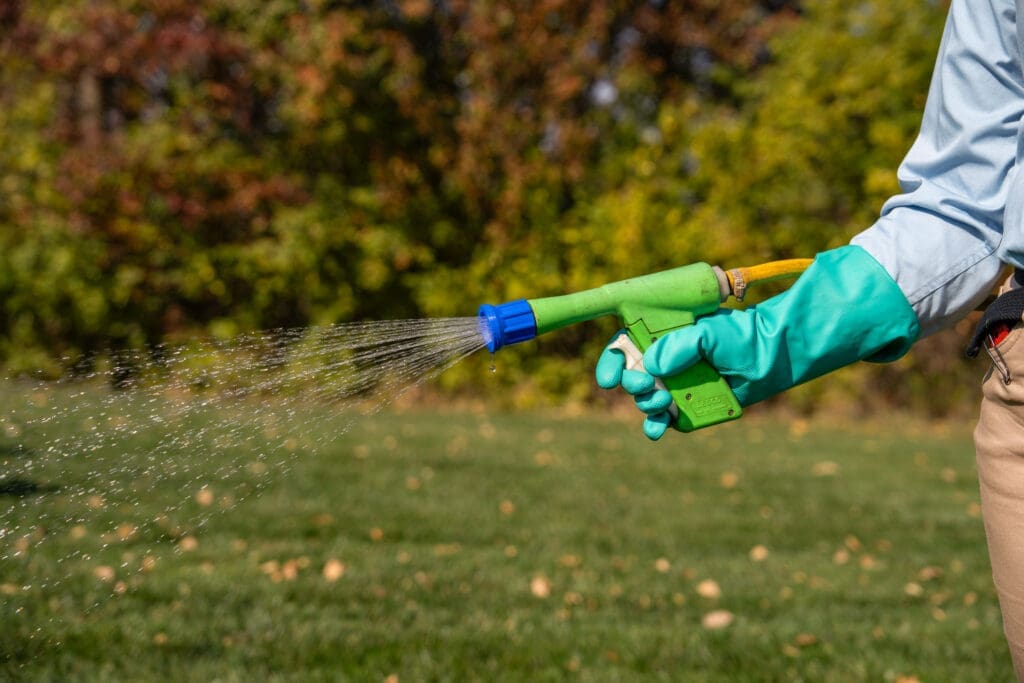
A pre-emergent herbicide creates a protective barrier in the top layer of soil that prevents crabgrass seeds from establishing roots. It must be applied before germination begins — and properly watered in to activate.
Important note for Ontario homeowners: Under Ontario’s Cosmetic Pesticide Ban, many traditional herbicide products available in the U.S. are restricted for residential use. Professional lawn care companies like Hometurf are licensed to apply effective products that aren’t available to the general public. This is one of the strongest reasons to work with a certified professional for crabgrass control.
Step 2: Thicken Your Lawn to Crowd Crabgrass Out
Crabgrass thrives in bare patches and thin turf. A dense, healthy lawn is your best long-term defense. Key tactics:
- Mow high — keep grass at 7–8 cm (2.5–3 inches) to shade the soil and block sunlight that crabgrass seeds need to germinate
- Overseed thin areas in spring or fall to eliminate the bare patches crabgrass exploits
- Fertilize properly to build a thick, competitive turf

Step 3: Water Deeply and Infrequently
Shallow, frequent watering encourages crabgrass (which has shallow roots) while stressing your desirable turf grass. Water deeply once or twice a week to encourage your lawn’s roots to grow deeper — making your grass more competitive and more drought-resistant.
Step 4: Address Bare Spots Immediately
Any exposed soil is an open invitation. After pulling crabgrass or repairing damaged areas, reseed promptly so crabgrass doesn’t claim that territory before your turf grass can.
Can You Kill Crabgrass After It’s Already Growing?
Once crabgrass has germinated and is actively growing, there is no selective post-emergent treatment approved for residential use in Ontario that will kill it without also harming your lawn. Your best option at that point is to pull it by hand early — before it sets seed — and then focus on building a healthy lawn that prevents re-establishment next season.
This is why spring timing is so critical. Prevention is dramatically easier than cure.
Let Hometurf Handle It
Hometurf’s professional technicians monitor soil temperatures across the GTA, Mississauga, Guelph, Hamilton, Brampton, Oakville, Burlington, and Calgary. With that, rest assured your crabgrass pre-emergent goes down at exactly the right time, every time. Our Crabgrass Control program is available as an add-on to any annual lawn care plan. Get a free instant quote.
Hometurf Lawn Care has been protecting Ontario and Alberta lawns for over 35 years. Explore our full lawn care programs →